Music as Medicine in the Age of the Four Humors
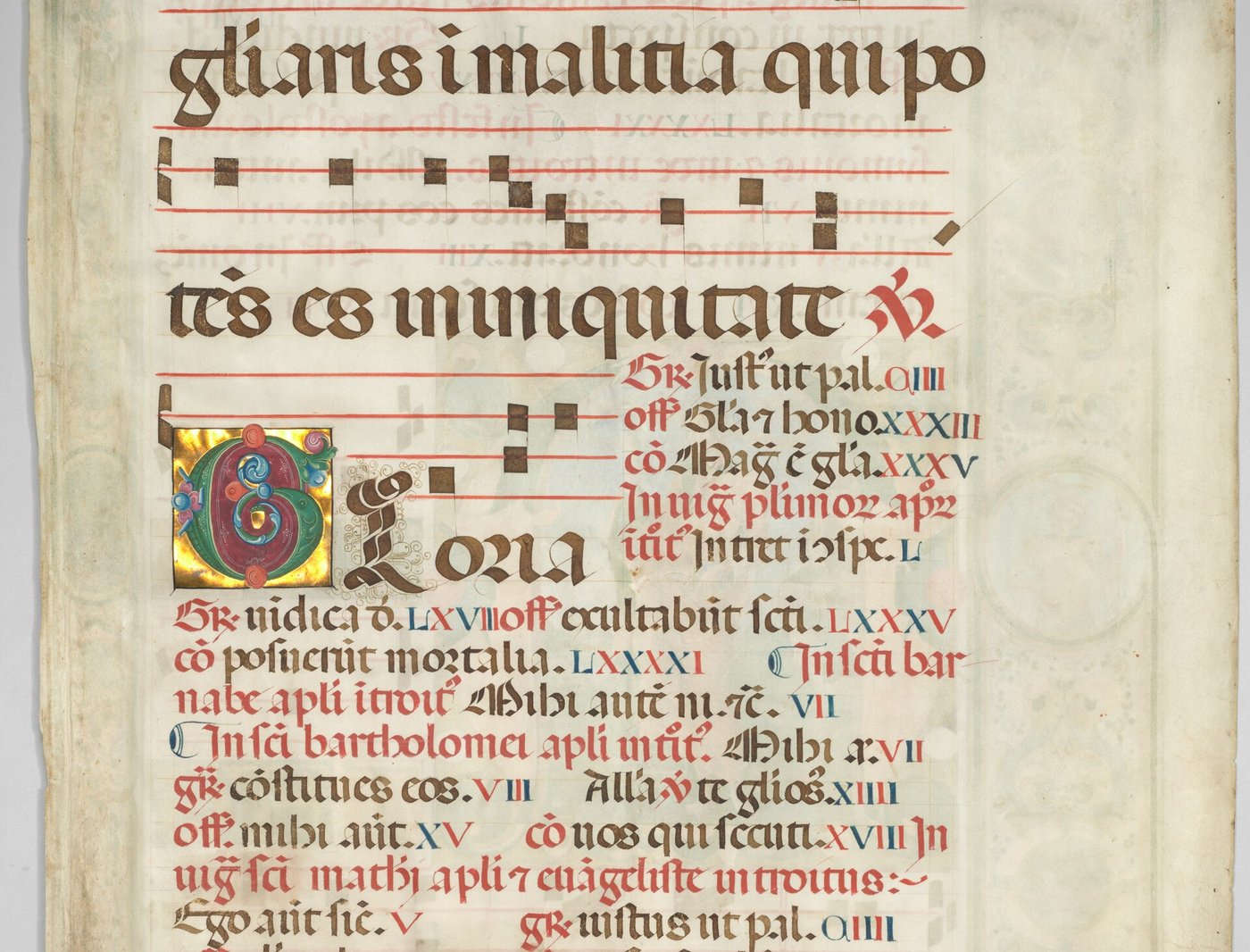
Ficino sang to a lyre in Florence in the 1480s and called it treatment, not recreation. In humoral medicine music was a substance with a quality, like a herb, and the four names outlived the theory in Nielsen and Hindemith.
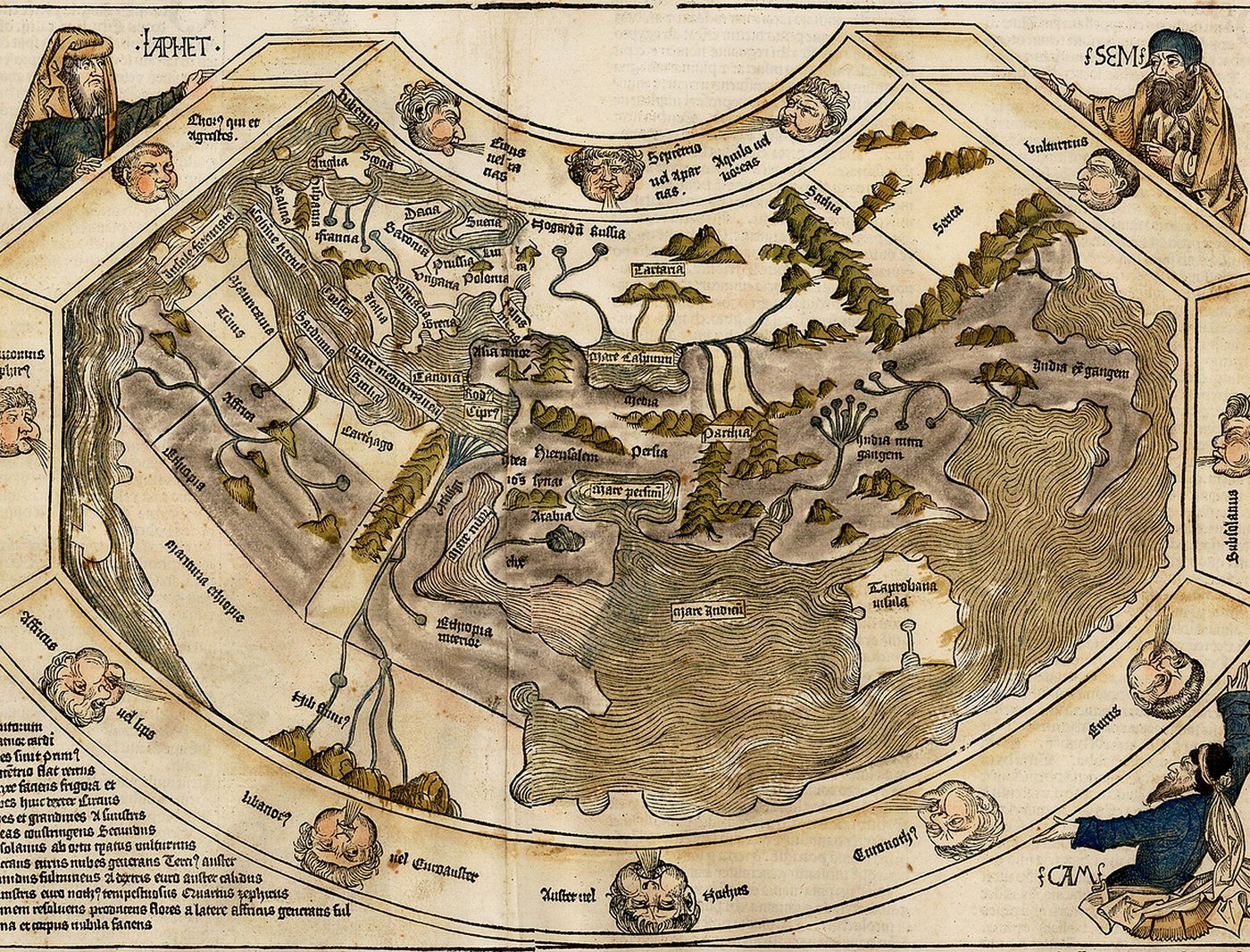
Marsilio Ficino was a physician's son, and he watched his own health the way his father watched other people's. In 1489, in Florence, he published De vita libri tres, three books of medical advice written mostly for men who read for a living. Scholars, he thought, were the sickest people in the city. They sat still, they ate at odd hours, they worked at night, and the work cooled and dried them until black bile settled. He had that constitution himself and said so plainly. Among his remedies, next to diet and air, was singing. He owned a lyre, he sang to it, and he meant it as treatment.
Song is warm air
Ficino's reason for prescribing music was not that it lifted the spirits in the way we mean that now. It was that music is a substance. Song is air, warmed in the lungs, set moving, shaped by a living body. Spirit, in his medicine, was also a fine warm air, the carrier between body and soul. A sung phrase therefore reached the listener as the same stuff as the thing it was meant to act on. That made it faster than a herb, which has to be eaten and digested.
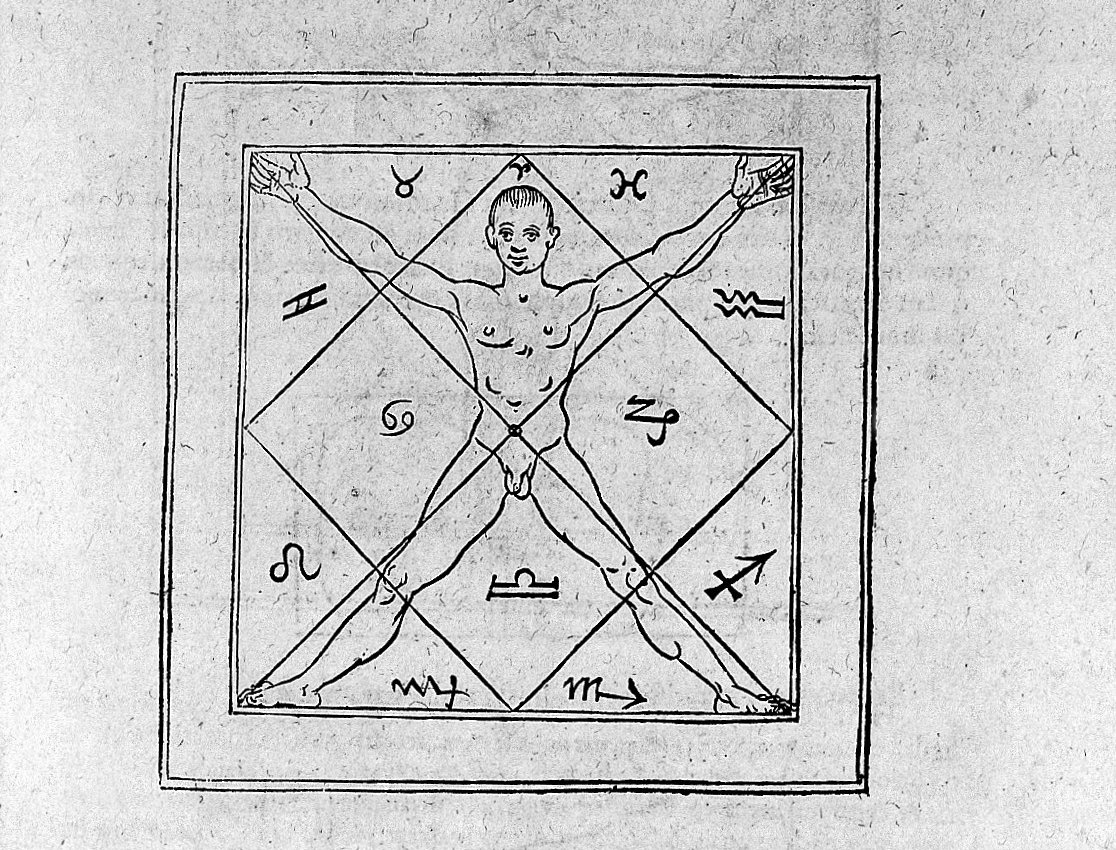
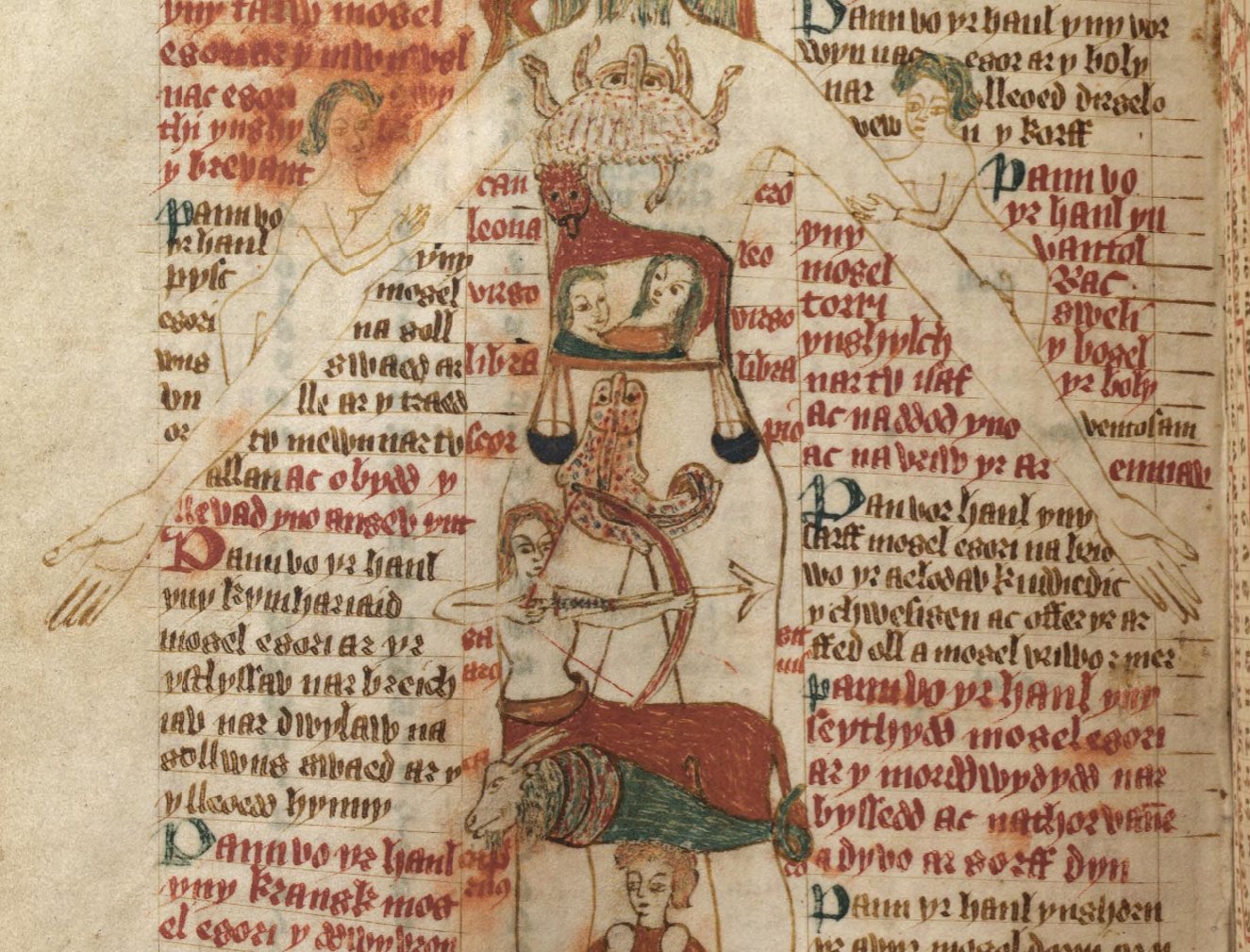
Once music is a substance it has qualities, because everything else in that system does. Bread was warm and moist, vinegar cold and dry, and every plant in the physician's cabinet carried a quality and a degree. A tune could be quick, warm and moist, which is the sanguine mixture. It could be slow and cold and dry, which is the melancholic one. Prescribing followed the ordinary rule: give the opposite of what the patient has too much of. The body was a small universe whose proportions could be brought back into ratio, and ratio was a word that belonged to music before it belonged to medicine.
The harp in Saul's room
The image everyone cited is much older. In the first book of Samuel, King Saul is tormented, his servants propose a skilful harper, and the young David is fetched.
And it came to pass, when the evil spirit from God was upon Saul, that David took an harp, and played with his hand: so Saul was refreshed, and was well, and the evil spirit departed from him.
Physicians read that passage as a case history. Saul's affliction was understood as an excess of black bile, the humor that darkens the mind and makes a king throw a spear at his own musician. On this reading the harp did not console Saul. It warmed and thinned and scattered the heavy vapours coming off the bile. Robert Burton was still using the story that way in The Anatomy of Melancholy in 1621. Any physician who prescribed sound had scripture behind him, and for centuries that was the strongest licence available.
Modes, and the trouble with matching them
The theory arrived from the Greeks by way of Boethius, whose treatise on music was written in the early sixth century and read in universities for a thousand years after. He divides music into the harmony of the cosmos, the harmony of the human being, and the kind you can hear. He also passes on the story of Pythagoras calming an inflamed young man by having the musician change mode. Sound reaches the body without asking.
Renaissance writers tried to finish the job by pairing each mode with a humor. They did not agree. Glarean, in his Dodecachordon of 1547, described the characters of twelve modes; other theorists described them otherwise. What survived the disagreement was not a table but a habit of thought: that music has a temperature and a moisture, that it will do something specific to a specific body, and that the wrong music given to the wrong patient is an error rather than a matter of taste.
What this looked like in practice
In southern Italy, people said to be bitten by a tarantula were treated by musicians who played until the patient danced the poison out, and physicians wrote it up seriously into the seventeenth century. Mostly it was the rest of the older treatments: a regimen of sleep, food, air, exercise, and for some patients an hour of the right sound at the right hour. The physician read the patient first, then chose.
Nielsen's inn, Hindemith's variations
The medicine went. The four names did not. Carl Nielsen described seeing a crude comic painting of the four temperaments in a village inn on Zealand, and finding it funny enough, and true enough, to build a symphony on. His Second Symphony was first performed in Copenhagen on 1 December 1902, with a movement each for the choleric, the phlegmatic, the melancholic and the sanguine, in that order. He is not illustrating a doctrine. He is drawing four people he has met.
Paul Hindemith wrote The Four Temperaments in 1940, soon after arriving in the United States. It is a theme and four variations for piano and strings, headed melancholic, sanguine, phlegmatic and choleric. George Balanchine made a ballet of it in 1946. By then the humors had been dead as physiology for a hundred years. The four types had outlived their own explanation, which is roughly where they still stand. If you want to know which movement is yours, the test is quicker than the symphony, though not better company.
Find your temperament
Take the test