What Are the Four Temperaments?
A plain guide to sanguine, choleric, melancholic, and phlegmatic: where the idea comes from, what each type is like, and why most of us are a blend.
The four temperaments are one of the oldest ways of describing human character, and one of the most durable. The idea is simple: people tend to fall into four broad natures, and most of us carry one strongly with a second underneath.
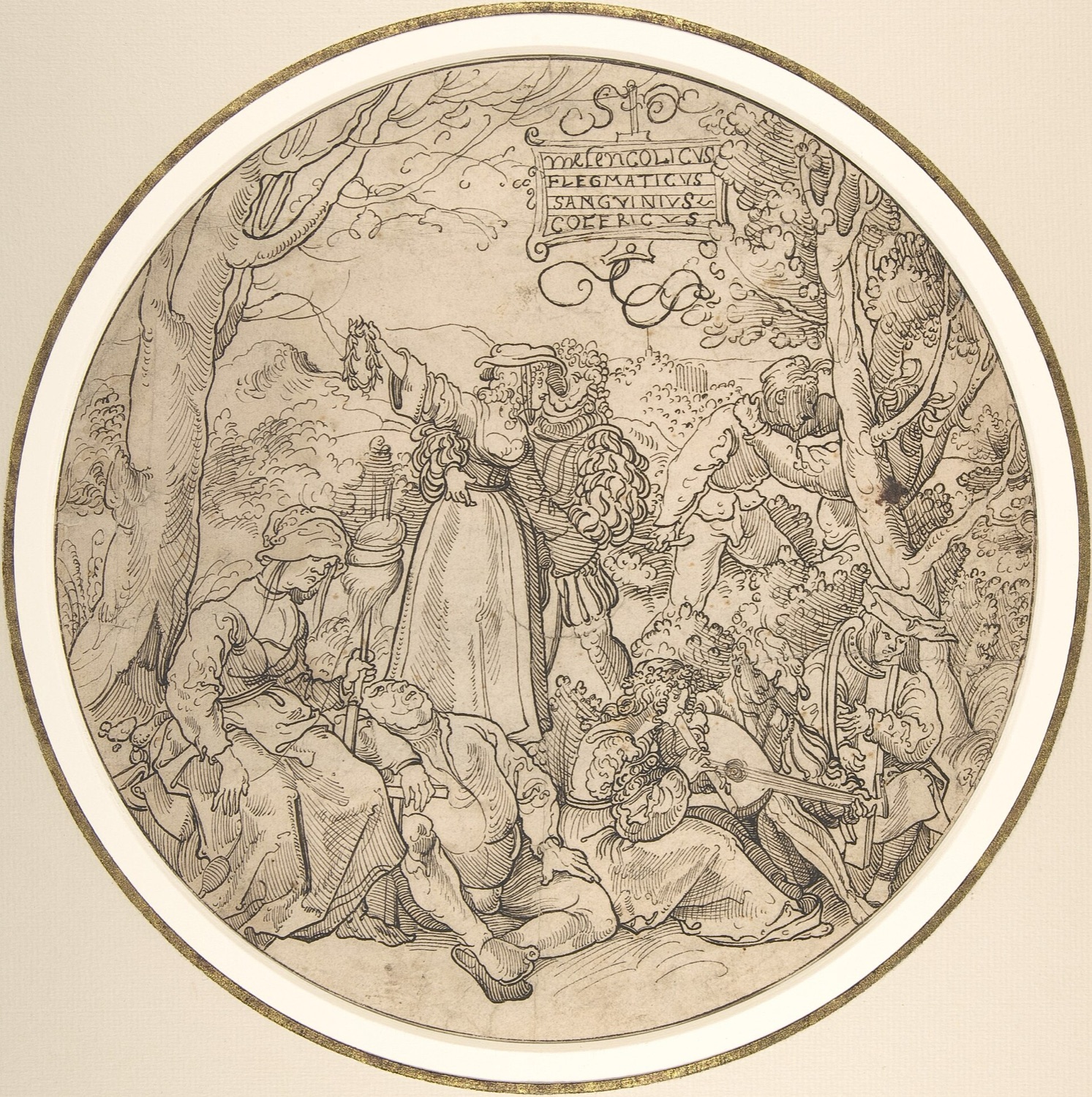
The four are sanguine, choleric, melancholic, and phlegmatic. The names sound old because they are, but the portraits still fit the people around you. Here is the short version of each.
Sanguine: the warm and open one
The sanguine is sociable, optimistic, and quick to connect. They live in the present, chase what delights them, and lift the mood of a room. Their gift is warmth. Their challenge is follow through, since they start more than they finish.
Choleric: the bold and driven one
The choleric is decisive, confident, and built to lead. They see a goal and move straight for it, often before anyone else has finished talking. Their gift is drive. Their challenge is patience, since they can run past people to reach a result.
Melancholic: the deep and careful one
The melancholic is thoughtful, precise, and loyal. They feel strongly, notice everything, and hold a high standard. Their gift is depth. Their challenge is lightness, since they can sit too long inside a worry or wait for perfect before they start.
Phlegmatic: the calm and steady one
The phlegmatic is peaceful, patient, and hard to rattle. They keep an even pace and hold a group together simply by not panicking. Their gift is calm. Their challenge is momentum, since they can avoid conflict and wait so long that the moment passes.
Why most people are a blend
Almost no one is a pure type. You lead with one temperament and lean on a second, and that mix is what makes you recognizable. A choleric with a melancholic streak is driven but careful. A sanguine with a phlegmatic streak is warm but calm.
Think of it as a leading voice and a supporting one. The pair together says more than either alone.
That is why a good temperament test gives you a full breakdown, not a single label. Your result is a balance of all four, with your top two named and explained.
Where the idea comes from
The temperaments grew out of ancient Greek medicine and the theory of the four humors. Hippocrates tied health to four bodily fluids, and Galen later turned those fluids into character types. The medicine is long gone, but the character sketches survived because they describe something real.
The fastest way to understand the model is to see yourself in it. Take the test, read your leading type, and notice how the second one colors the first.
Find your temperament
Take the test