The School of Salerno, Where the Humors Came Home
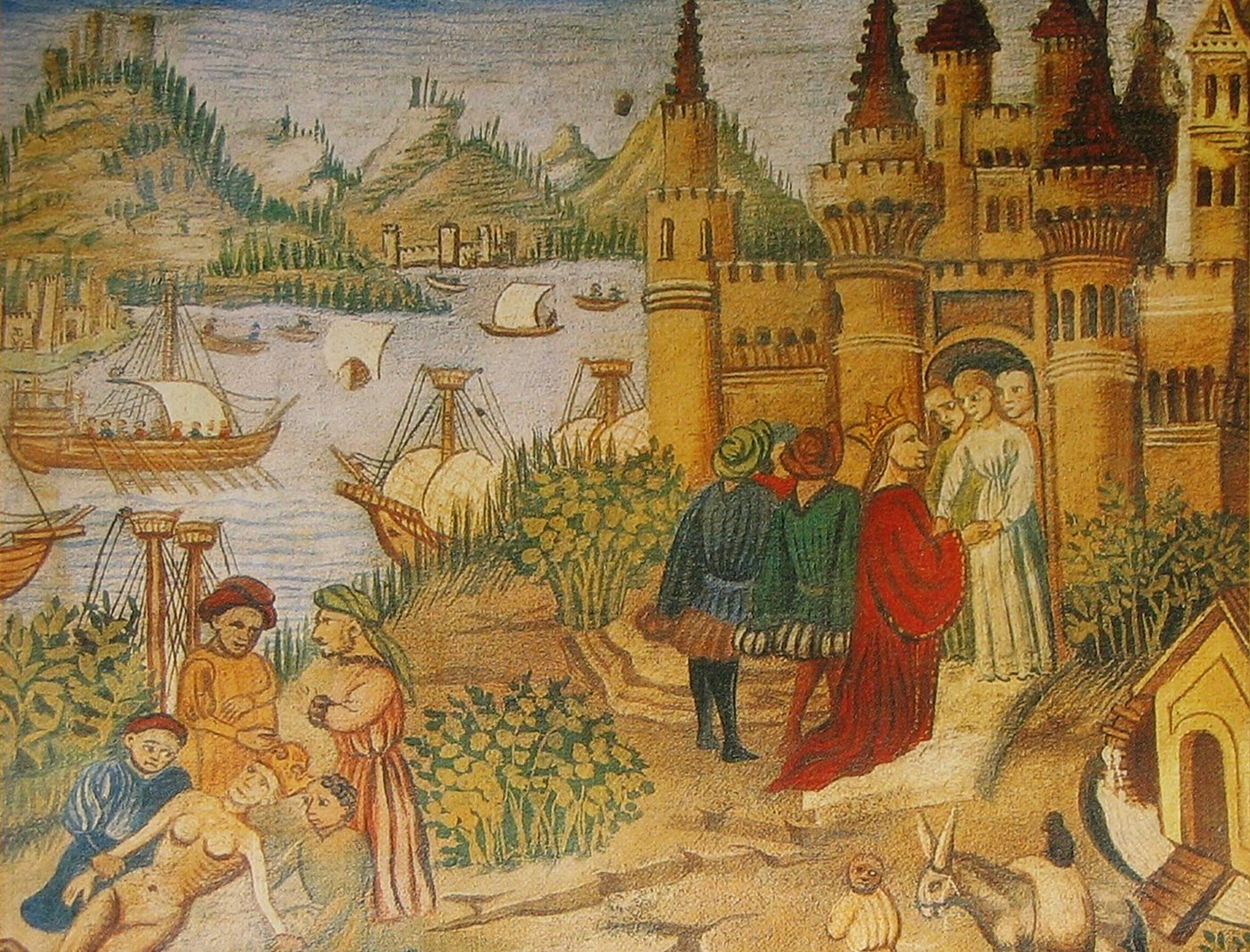
On the Tyrrhenian coast south of Naples, a town of doctors became the first medical school in western Europe, the place where Galen's humors came home to the Latin world.
Sailors called it a town of doctors. Salerno sat on the Tyrrhenian coast just south of Naples, a working port where ships from Sicily, North Africa, and the Greek-speaking east put in to trade. By the tenth century it had a plain reputation among travelers: if your body was failing, you went to Salerno.
The healers there were not yet a university, and no one had signed a founding charter. What grew up instead, over three centuries or so, was the first real medical school in western Europe, the Schola Medica Salernitana.
A town where three languages met
Salerno's luck was its position. Latin was the language of the church and the law. Greek still lingered in the south of Italy, close to old Byzantine lands. And across the water lay the Arabic learning of Sicily and North Africa, then the most advanced medicine in the Mediterranean. Salerno sat in the seam where all three overlapped.
Later writers loved this so much they invented a legend for it: that the school had four founders, a Latin, a Greek, an Arab, and a Jew, each teaching in his own tongue. That is a story, not a record. But it caught something true about the place.
The books come back
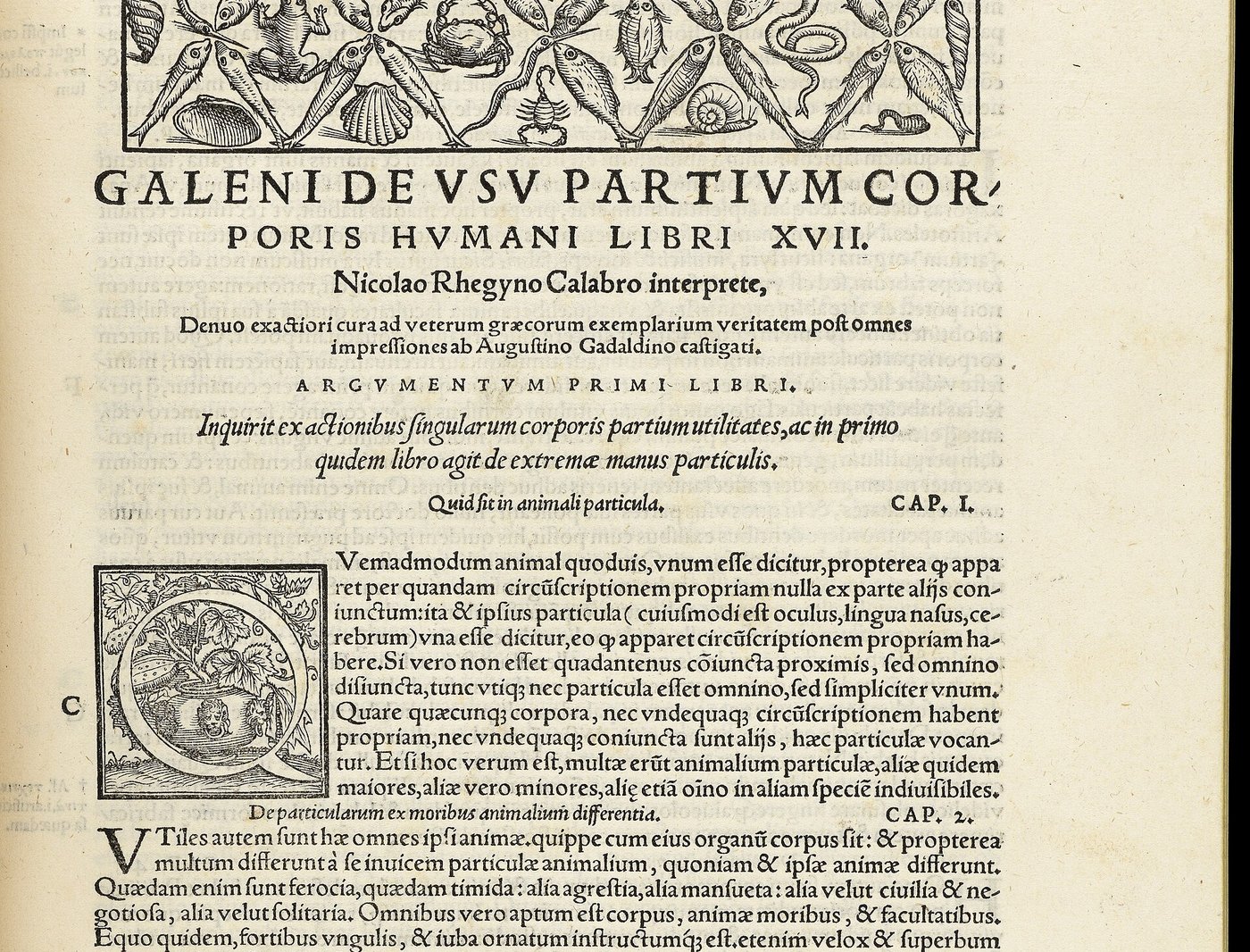
For a long time, western Europe had lost most of Galen. The great Greek physician's system survived, but in Arabic, expanded and organized by scholars in Baghdad, Cairo, and Kairouan. Salerno is where much of it came home.
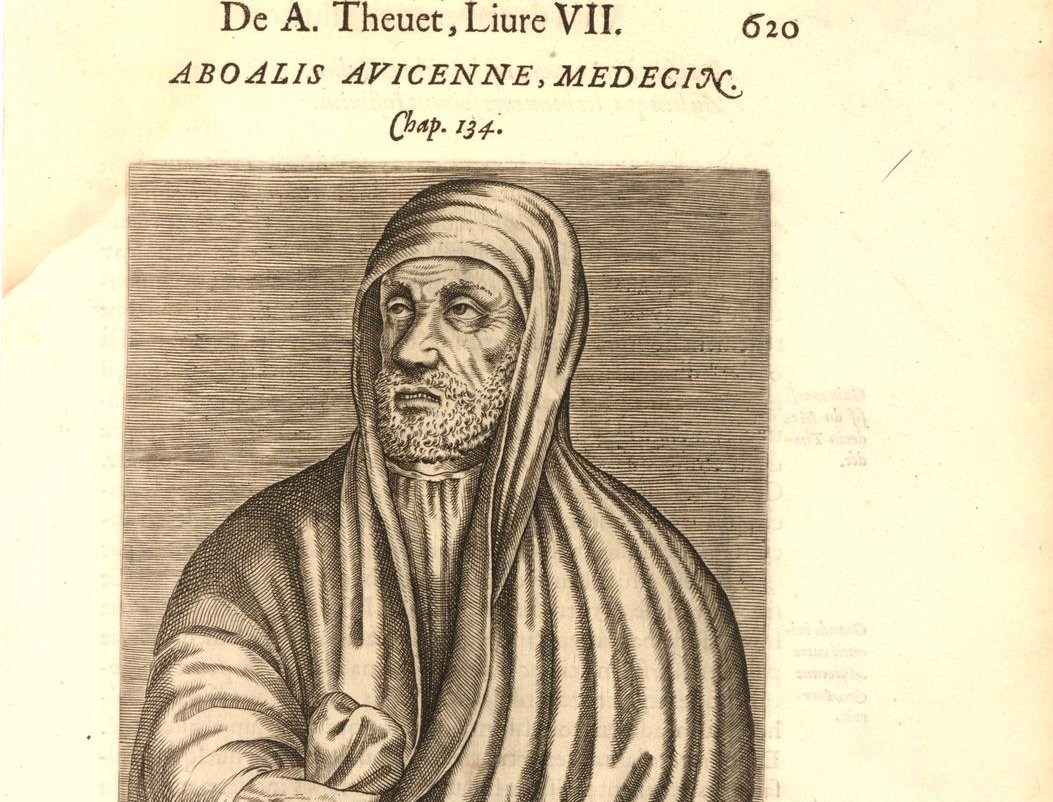
The key figure was Constantine the African, a North African who arrived in the late eleventh century and settled at the nearby monastery of Monte Cassino. There he spent his last years turning Arabic medical books into Latin, among them a comprehensive work drawn from the same Arabic tradition as Avicenna and the four humors. Through translations like his, Latin readers got back a full account of the humors, the qualities, and the mixtures that made up a person's nature.
The teaching settled into a core set of texts the Salernitans called the Articella. One of them, an introduction to Galen written by the ninth-century Baghdad translator known in Latin as Johannitius, laid out the doctrine of complexions: the idea that each body carries its own blend of hot, cold, moist, and dry, tilting it toward one temperament. That is the framework students copied, memorized, and carried north.
Salerno was also unusually open about who could heal. The town remembered women practitioners, above all a figure called Trota, whose name is attached to a set of Salernitan texts on women's medicine.
A poem you could keep in your head
Salerno's most famous product was not a treatise but a poem. The Regimen Sanitatis Salernitanum was a long string of Latin verses giving blunt, practical advice, easy to hold in the mind because it rhymed. It told you when to eat and how much, when to sleep, which foods warmed or cooled the body, and, again and again, to keep your mind calm and your mood light.
Much of this was humoral common sense about balance, the same thinking behind food and the four humors. Diet, rest, and the passions of the mind were levers you could pull to keep your mixture steady.
The poem outlived its school by centuries and was printed and translated across Europe. When Sir John Harington put it into English verse in 1607, he kept its cheerful tone.
Use three physicians still: first Doctor Quiet, next Doctor Merryman, and Doctor Diet.
Why the temperaments traveled
Salerno mattered less for any single cure than for what it standardized. Its curriculum turned the language of complexion and humor into something you learned from set books, and students carried that vocabulary to the newer universities at Montpellier, Bologna, and beyond.
The Regimen did the same job for ordinary readers. For hundreds of years, a merchant or a parish priest could pick up its verses and think about his own health in terms of hot and cold, wet and dry, sanguine and melancholic. The four temperaments spread across Europe partly because Salerno gave them a plain, portable, memorable form.
By the thirteenth century the school was authoritative enough that the emperor Frederick II tied medical licensing to it. Its heyday faded after that, as the universities rose. None of its humoral medicine is science by modern standards. But the people who kept those verses in their heads were doing something we would recognize: trying to eat, sleep, and feel their way toward balance. If you want to know where your own mixture falls, that instinct is the one Salerno taught.
Find your temperament
Take the test