The Temperaments and the Seasons of Life
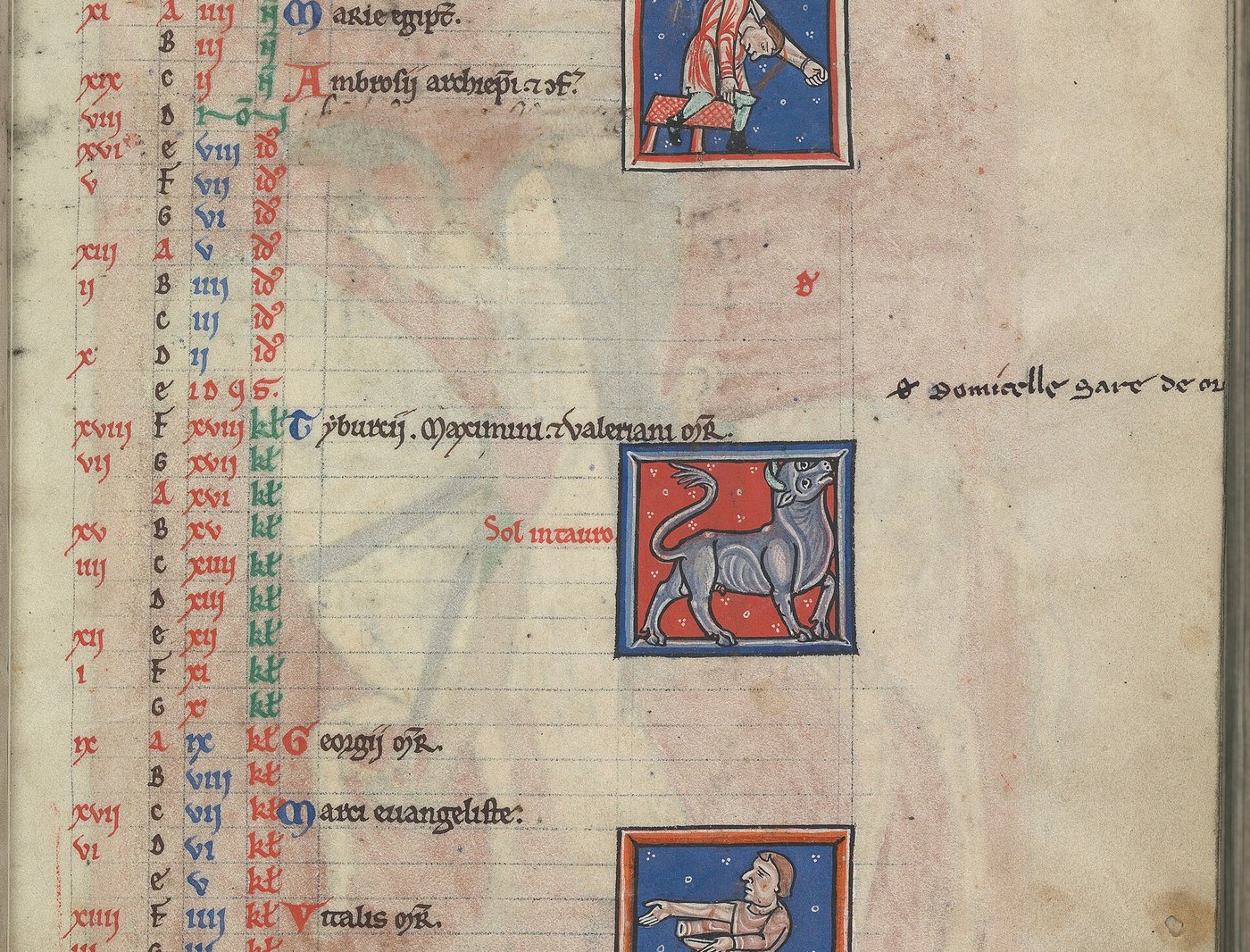
The old tradition read a whole life the way it read a year. Sanguine spring, choleric summer, melancholic autumn, phlegmatic winter, each humor taking its turn.
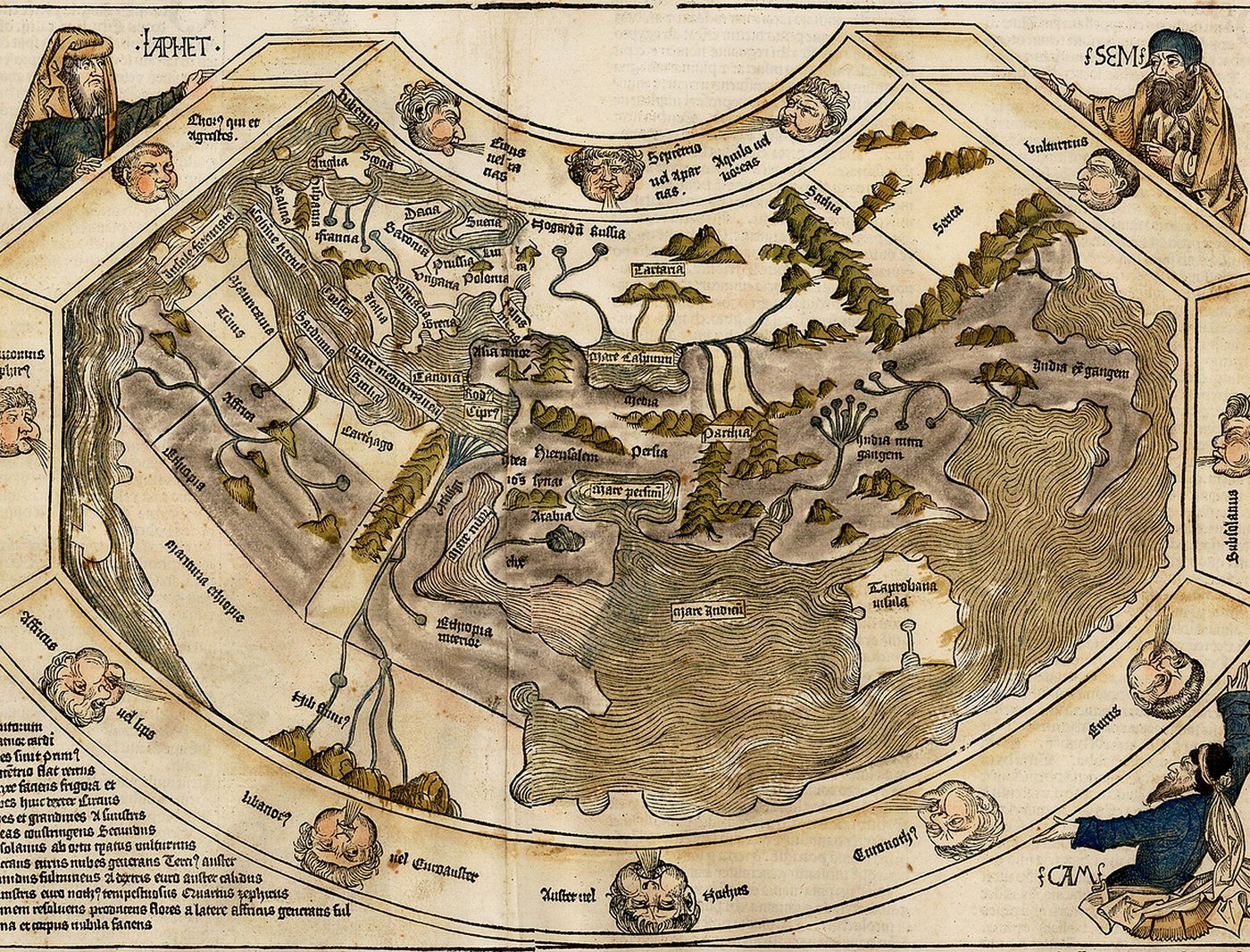
Around the year 1011, an English monk named Byrhtferth drew a diagram that tried to fit the whole created world onto a single page. It fanned out the four seasons, the four elements, the winds from the corners of the earth, the twelve months, and the four ages of a human life, all bound together in a wheel. Running through the middle were the qualities that touched everything: hot, cold, wet, and dry.
To Byrhtferth this was not decoration. It was an argument. The same four forces that turned the year, he believed, also moved through the blood.
The year in four moods
That belief has a name, the doctrine of the four humors, and its bones are simple enough to hold in one hand. Each season carried a humor. Spring was warm and moist, like blood, so it belonged to the sanguine. Summer was hot and dry, like yellow bile, and so it was choleric. Autumn turned cold and dry, the weather of black bile and the melancholic. Winter was cold and moist, phlegm's own quarter, and therefore phlegmatic. If the four names are new to you, it helps to read what the four temperaments are first.
The logic was climate. Blood was thought to swell in the mild, damp air of spring, so a physician expected cheerful, restless patients and the odd nosebleed. Summer's heat matched the fire of anger and ambition. The dry, falling leaves of autumn mirrored a mood that pulled inward. Winter, cold and wet, slowed the body to phlegm's own pace.
The four ages of a life
The same wheel could be laid over a single life, and this is the part that still moves me.
A young child was sanguine by nature: warm, moist, quick to laugh and quick to cry, all spring. The tradition held that this brightness would not last, that it was a season and not a settled self. Anyone who has watched a temperament in children knows the raw version of it, before the years do their slow work.
Then youth and the prime of life brought heat and dryness, the choleric summer, when a person is most driven and most certain. The middle and later years cooled into the melancholic autumn, drier, more thoughtful, more acquainted with loss. And old age settled into phlegmatic winter, cold and slow and calm.
So the humor that ruled you was never meant to be fixed. It was a tide. A person was expected to move through all four, spring to winter, the way the year does.
A single day, in miniature
Writers pushed the pattern smaller still, down onto the hours. Morning was sanguine, blood rising with the light. Midday, the sun at its height, was choleric. The long shadows of afternoon and evening were melancholic. Night was phlegmatic, the body cooling toward sleep.
It is a tidy fractal: the same four beats in a day, a life, and a year, each nested in the next. That neatness was much of the appeal. One idea seemed to explain the fever that spiked at noon, the low mood that arrived at dusk, and the caution that comes in with grey hair.
What the poetry got right
We know now that black bile is not a real fluid, and that autumn does not thicken it. As medicine, the scheme was mistaken, and the people who trusted it were treating patients with the best map they had.
But look at what the old picture was really claiming. Not that temperament is a label stamped on you at birth and left there for good. It said the opposite: that a fast, bright nature can cool and deepen, that the steadiness of age is not the same self as the child and was never supposed to be. A life had a shape, and the shape was seasonal.
Modern psychology, in its own dry vocabulary, tends to agree that people mellow as they age, growing a little calmer and more settled. The humoral writers told the same thing as weather. They looked at a person and saw a year turning, and they were not wrong about the movement, only about the cause. There is something worth keeping in that. Whatever you are now is partly the season you are standing in, and seasons change.
Find your temperament
Take the test