A Short History of the Four Humors
From Hippocrates to Avicenna to the Renaissance: how a theory of bodily fluids became a lasting map of human character.
For more than two thousand years, one theory shaped how the West understood the body and the mind. It was the doctrine of the four humors, and the four temperaments are what remains of it today.
Hippocrates and the four fluids
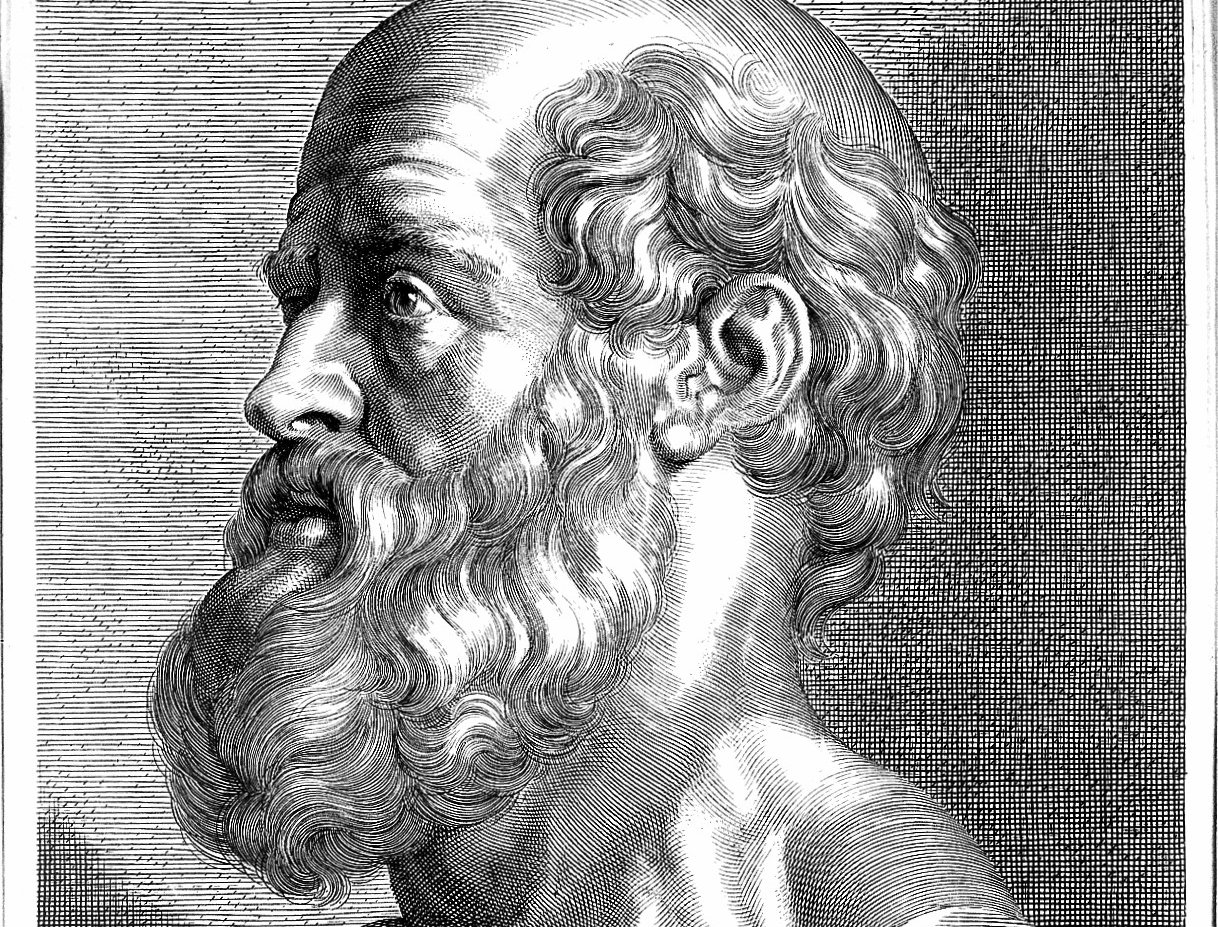
The story begins in ancient Greece with Hippocrates, often called the father of medicine, in the fifth century before our era. He and his school proposed that the body holds four fluids, or humors: blood, yellow bile, black bile, and phlegm. Health was balance among them, and illness was one of them running too high or too low.
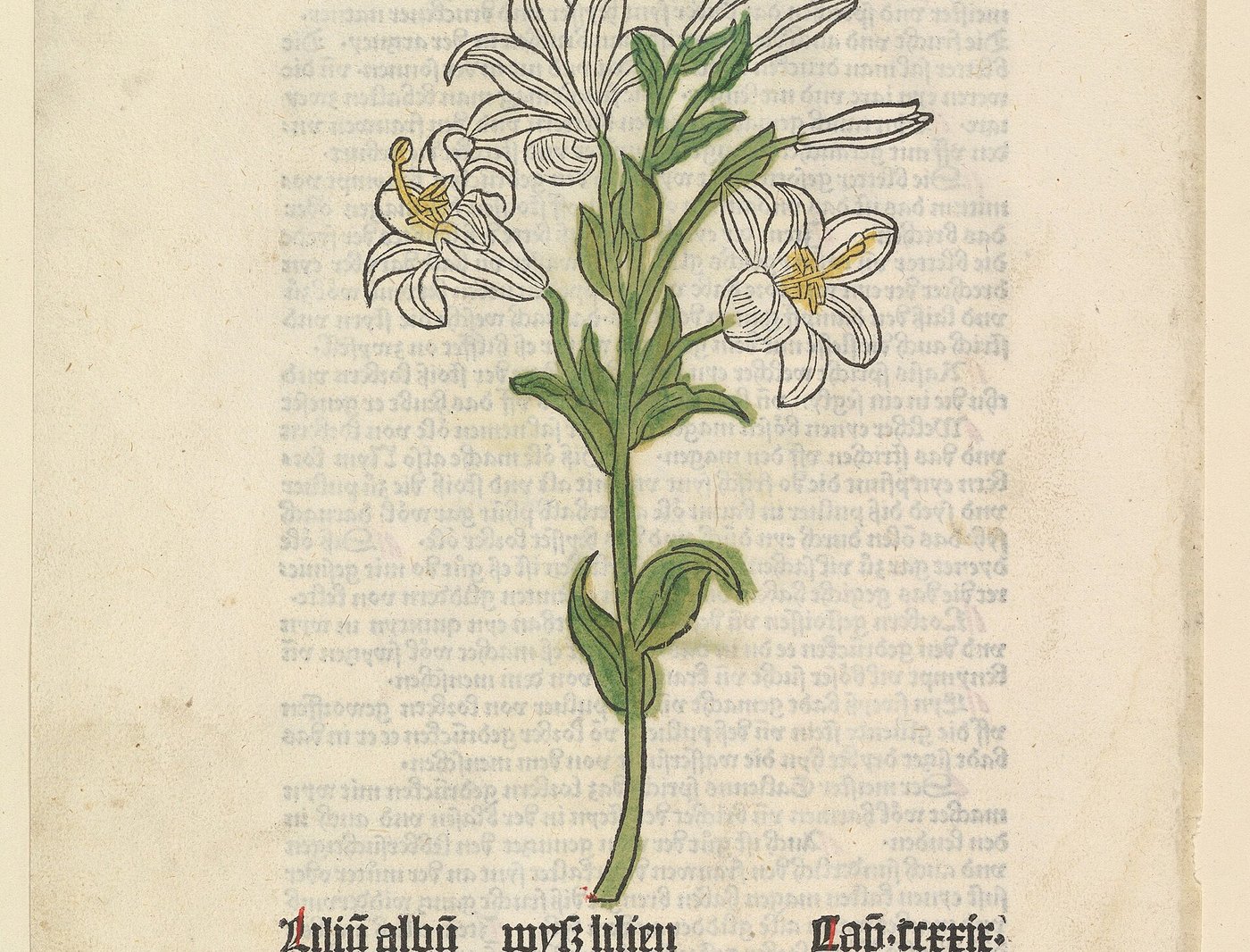
Each humor was paired with two qualities drawn from warmth and moisture. Blood was warm and moist, yellow bile warm and dry, black bile cold and dry, and phlegm cold and moist. It was an elegant system, and it fit the four elements of air, fire, earth, and water.
Galen turns fluids into character
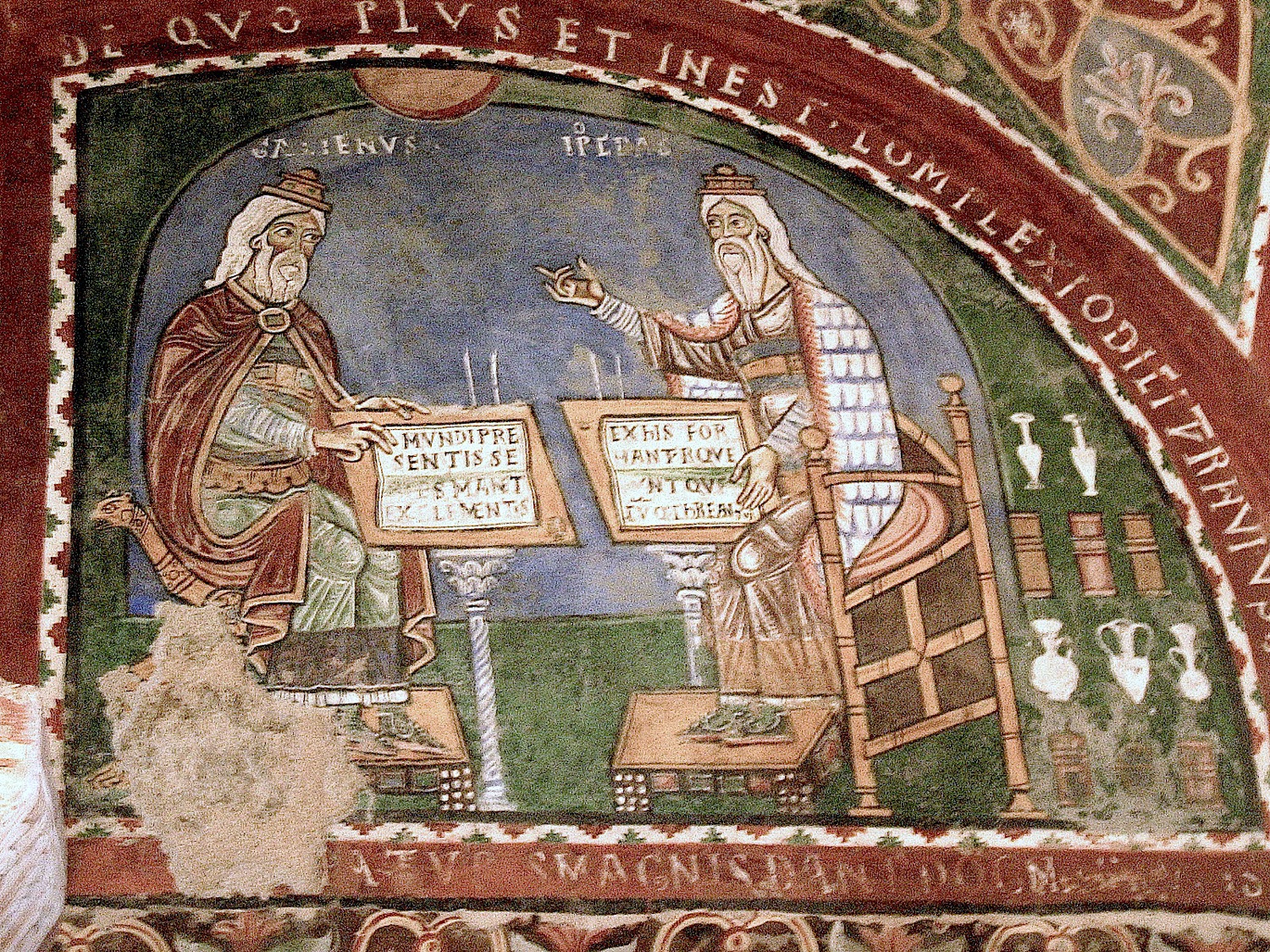
Six centuries later, the Greek physician Galen took the next step. Working in Rome, he argued that a person's ruling humor also shaped their character. A blood dominant person was cheerful and sociable, a yellow bile person fiery and bold, a black bile person thoughtful and sad, a phlegm person calm and slow.
These became the four temperaments: sanguine, choleric, melancholic, and phlegmatic. Galen gave the model the shape it still has, a bridge from medicine to psychology long before psychology had a name.
Avicenna and the medieval world
The idea did not stay in Europe. In the medieval Islamic world, the great physician Avicenna, known in the East as Ibn Sina, gathered the humoral tradition into his Canon of Medicine around the year 1025. That book became the standard medical text from Persia to Paris for centuries.
A single idea can outlive its own science, if it names something people keep seeing in themselves.
Through Avicenna and others, the humors traveled back into Europe, where the School of Salerno and the medieval universities taught them as settled fact.
The Renaissance and the long afterlife
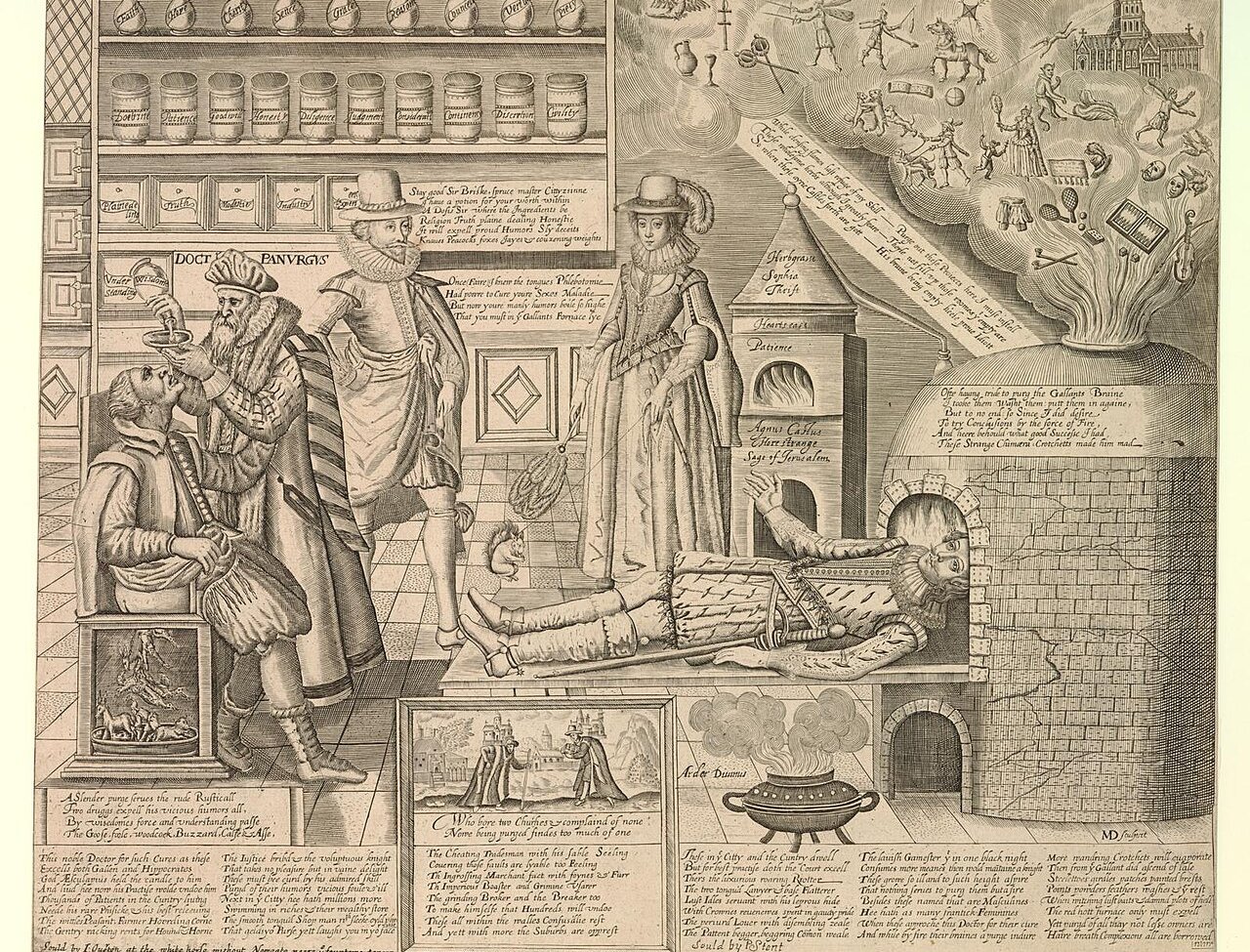
By the Renaissance the four temperaments were everywhere: in medicine, in art, in the way people read a face or a mood. Dürer engraved melancholy as a brooding winged figure. Writers sorted their characters by humor. The word we still use for a passing mood, being in good or bad humor, comes straight from this theory.
Modern science eventually replaced the humors. We no longer believe that black bile causes sadness. Yet the four character types did not vanish, because they were never really about fluids. They were about patterns of personality, and those patterns are still here.
Why it still fits
Strip away the biology and the four temperaments remain a clean, human map: warm or cool, quick or steady, outward or inward. That is why the model keeps returning in new forms, and why a short test built on it can still tell you something true about yourself.
Find your temperament
Take the test