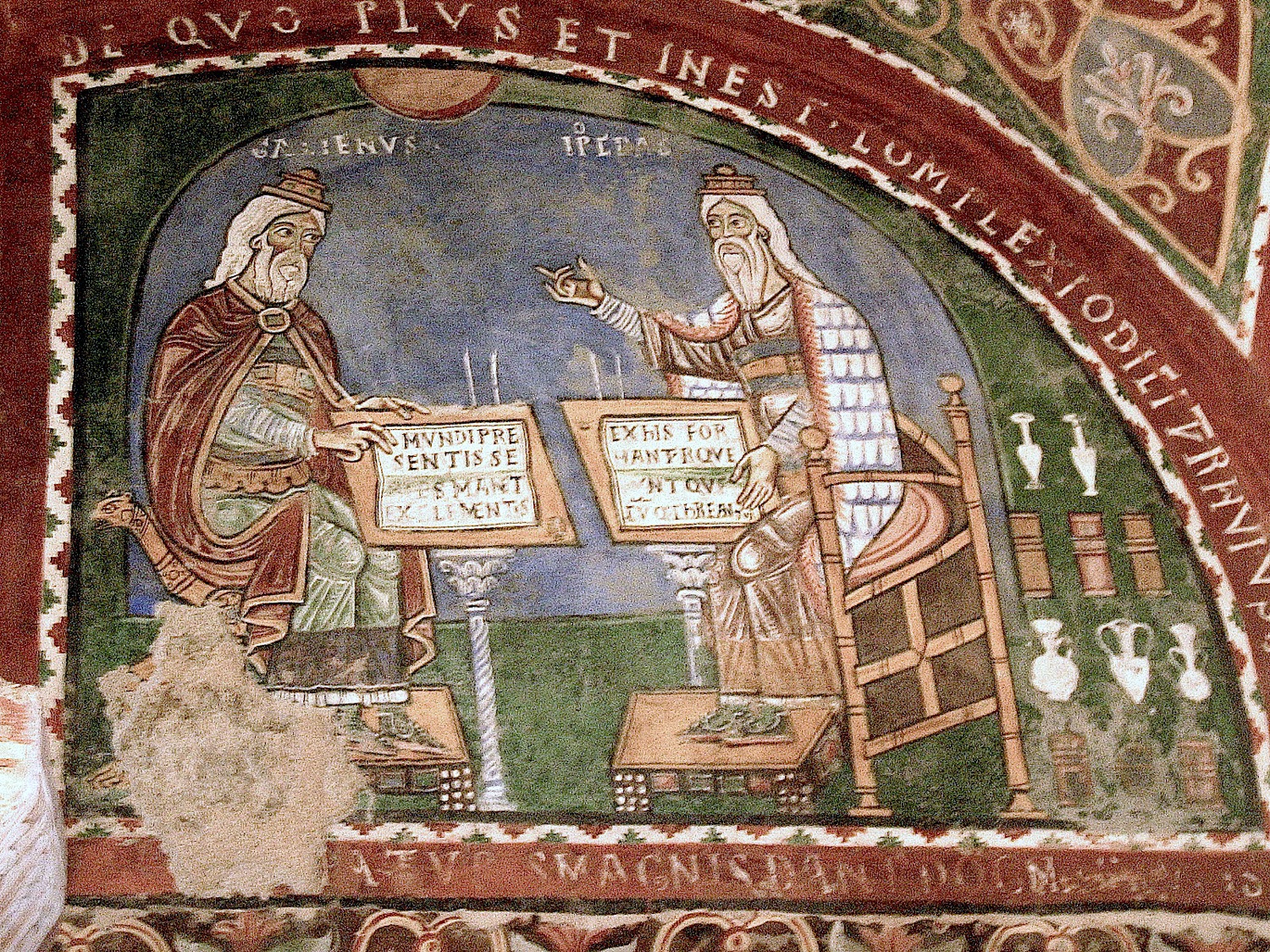
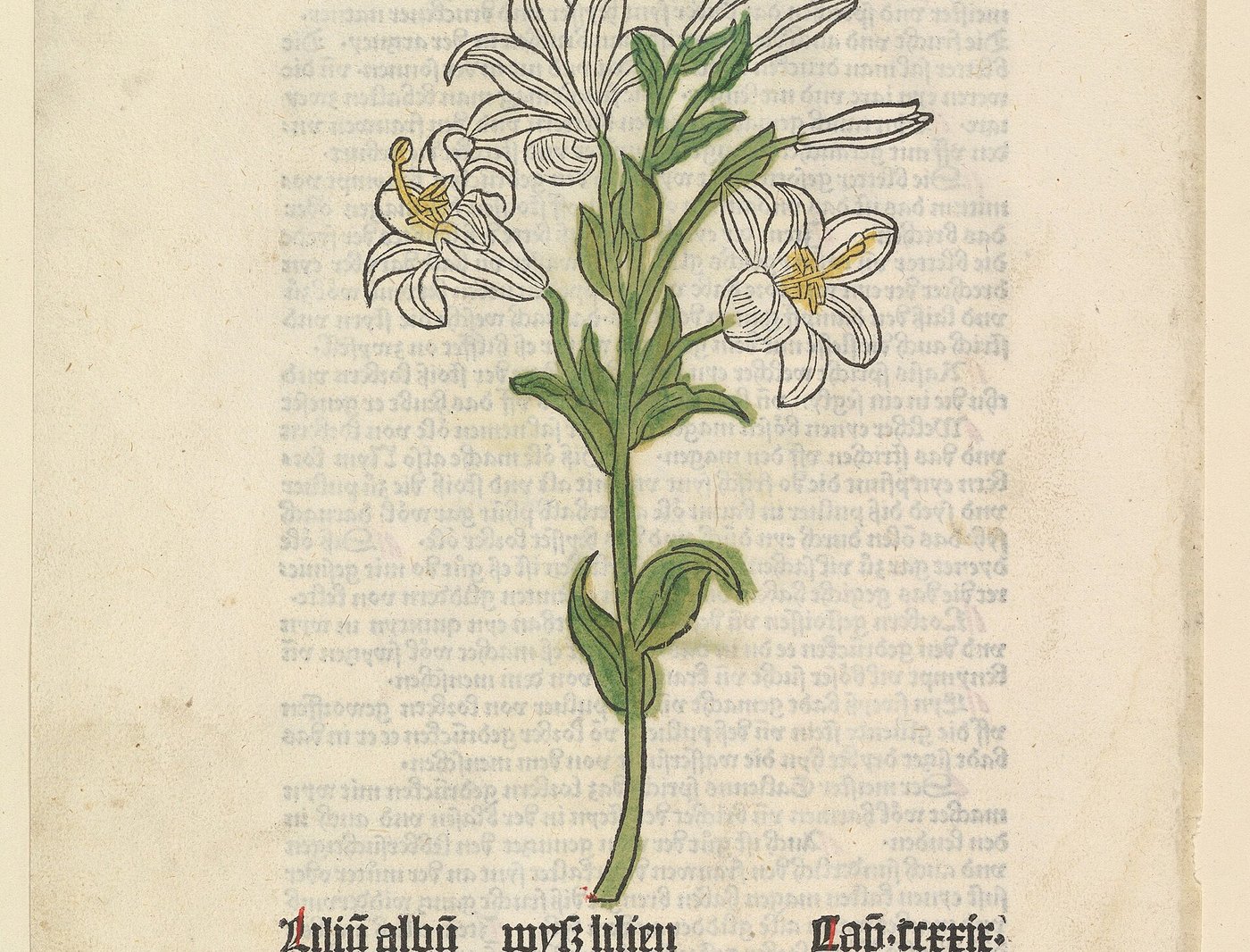
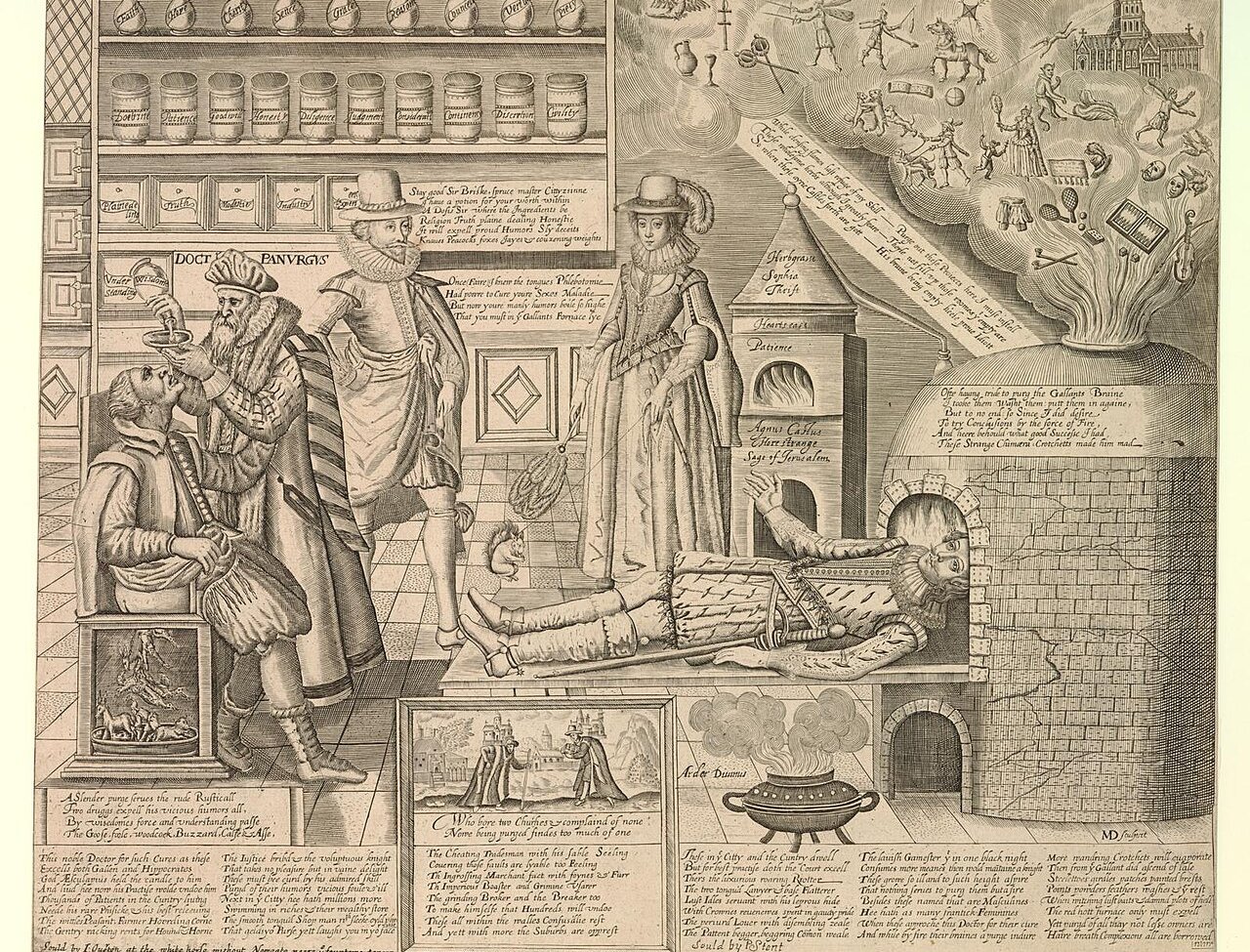
Hippocrates, Galen and the Four Temperaments
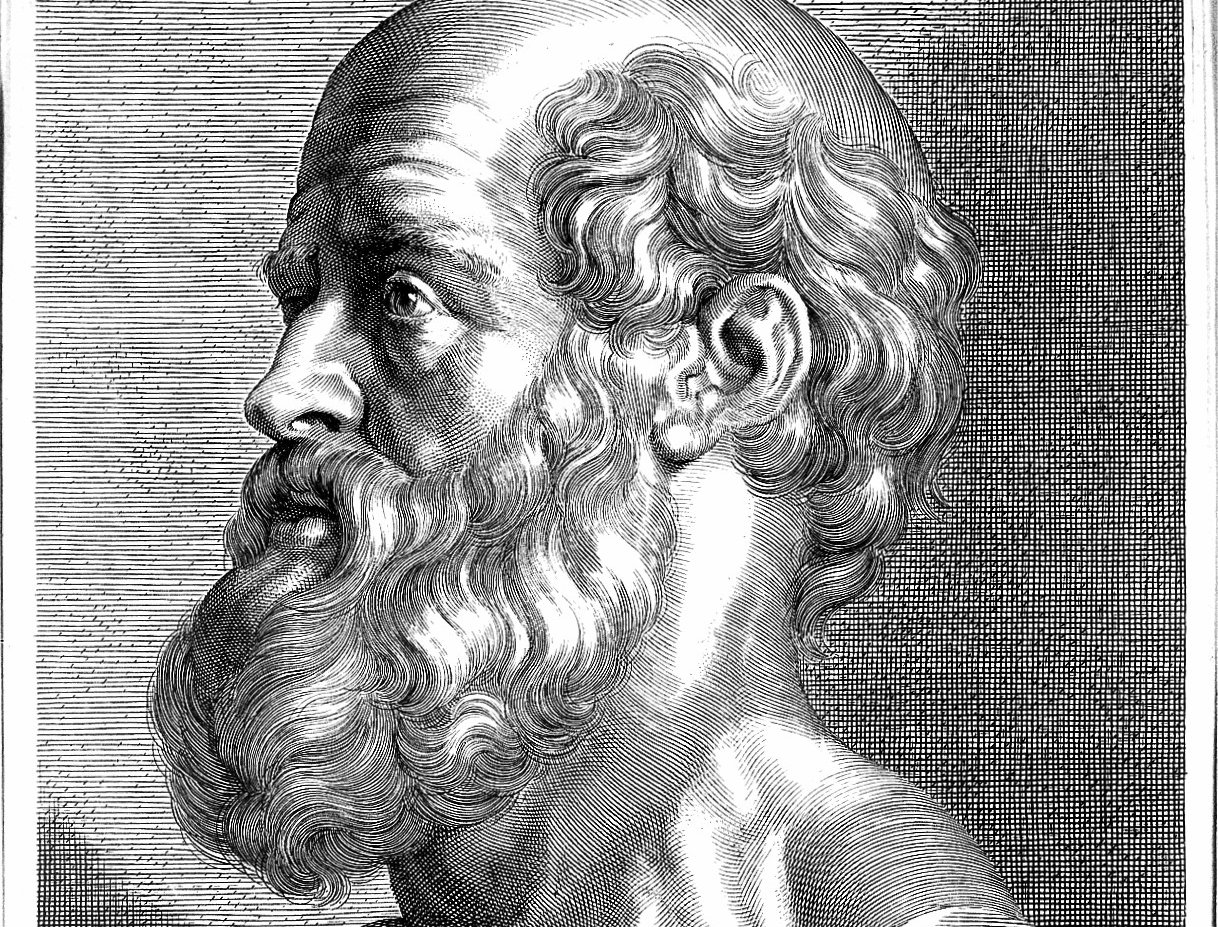
On a Greek island around the fifth century BC, and in Rome six centuries later, two physicians who never met gave us the language of temperament we still use.
On the island of Cos, in the eastern Aegean, guides will point you to a plane tree and tell you Hippocrates taught his students beneath it. The tree standing there now is only a few centuries old, far too young for the claim. But something did begin on Cos around the fifth century BC, and it still shapes the words you reach for when you describe a gloomy friend or a hot temper.
A physician on a Greek island
Hippocrates was born on Cos around 460 BC. What made his circle unusual was a refusal to blame illness on angry gods. A body, they argued, was a system you could observe, and disease had causes you could reason about.
Their model was fluids. The clearest surviving statement comes from a short treatise in the Hippocratic collection called On the Nature of Man, most likely written not by Hippocrates himself but by Polybus, thought to be his son-in-law. It names four humors: blood, phlegm, yellow bile, and black bile.
Health, in this picture, was balance. When the four sat in proportion, you felt well. When one ran to excess, you fell ill, and a good physician nudged the mixture back toward the center with diet, rest, or one of the harsher remedies of the age. If you want the longer account of how these four fluids were chosen and why they mapped onto the wider world, that story is where the four humors came from.
Galen, six centuries later
Then a long gap. Nearly six hundred years pass before the second name in this story appears.
Galen was born in Pergamon, in what is now western Turkey, around 129 AD. He trained across the Greek-speaking world, then made his career in Rome, first patching up wounded gladiators, later serving as physician to emperors including Marcus Aurelius. He was prolific, argumentative, and enormously influential. For the next fourteen centuries, to study medicine in Europe and the Islamic world largely meant studying Galen.
He took the four humors he inherited and gave them structure. Galen thought in terms of krasis, a mixture or blend, and he tied each humor to a pair of qualities drawn from older Greek physics: hot or cold, wet or dry. Blood was warm and moist. Yellow bile was hot and dry. Black bile was cold and dry. Phlegm was cold and moist. A person's makeup, in his view, reflected which blend dominated.
From fluids to standing characters
This is the hinge. Once each humor carried a temperature and a texture, it was a short step to imagining four kinds of people.
The sanguine person, full of blood, was warm, cheerful, quick to connect. The choleric one, ruled by yellow bile, ran hot and driven and sharp. The melancholic, weighed by black bile, tended toward the serious and the sorrowful. The phlegmatic, cool and moist, stayed calm and slow to stir.
Galen laid the groundwork, though it is worth being precise about the timeline. He wrote at length on temperaments and mixtures. The tidy four-character scheme, with the Latin names sanguine, choleric, melancholic, and phlegmatic that we still use, hardened into its familiar form over the medieval centuries that built on his work. What began as a theory of bodily fluids slowly became a theory of personality. That later shape is close to what the four temperaments are today, minus the bile.
The medicine was wrong. The language stayed.
Here is the honest part. Almost none of it holds up.
There is no black bile. Balancing humors by bloodletting harmed far more patients than it helped. The seasons, the organs, the elements, the whole elegant system that made the body a small echo of the cosmos, none of it survives contact with modern biology.
And yet the words refused to die. We still call someone sanguine when they are hopeful, phlegmatic when nothing rattles them, melancholy when a mood settles in for the evening. We speak of good humor and bad humor without a thought for the bile underneath.
Two physicians who never met, born six centuries apart, handed us a vocabulary we have never quite put down.
Hippocrates gave us the four fluids. Galen gave us the four characters. The chemistry was mistaken, but the language turned out to be useful, and that is why, standing under a plane tree on Cos that is far too young for the legend, you can still feel the pull of a very old idea.
Find your temperament
Take the test