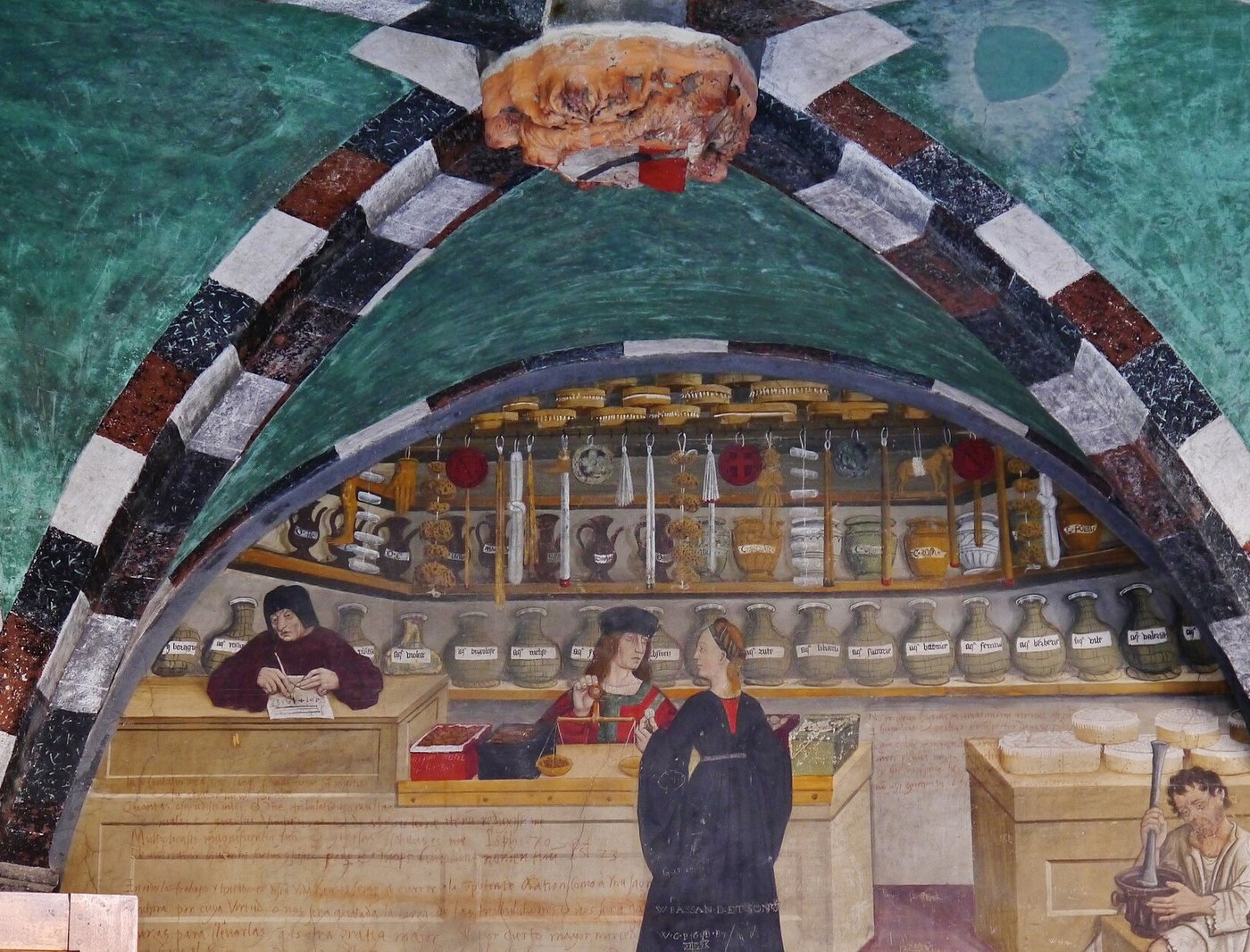
How Each Temperament Learns, and How Each One Fools Itself
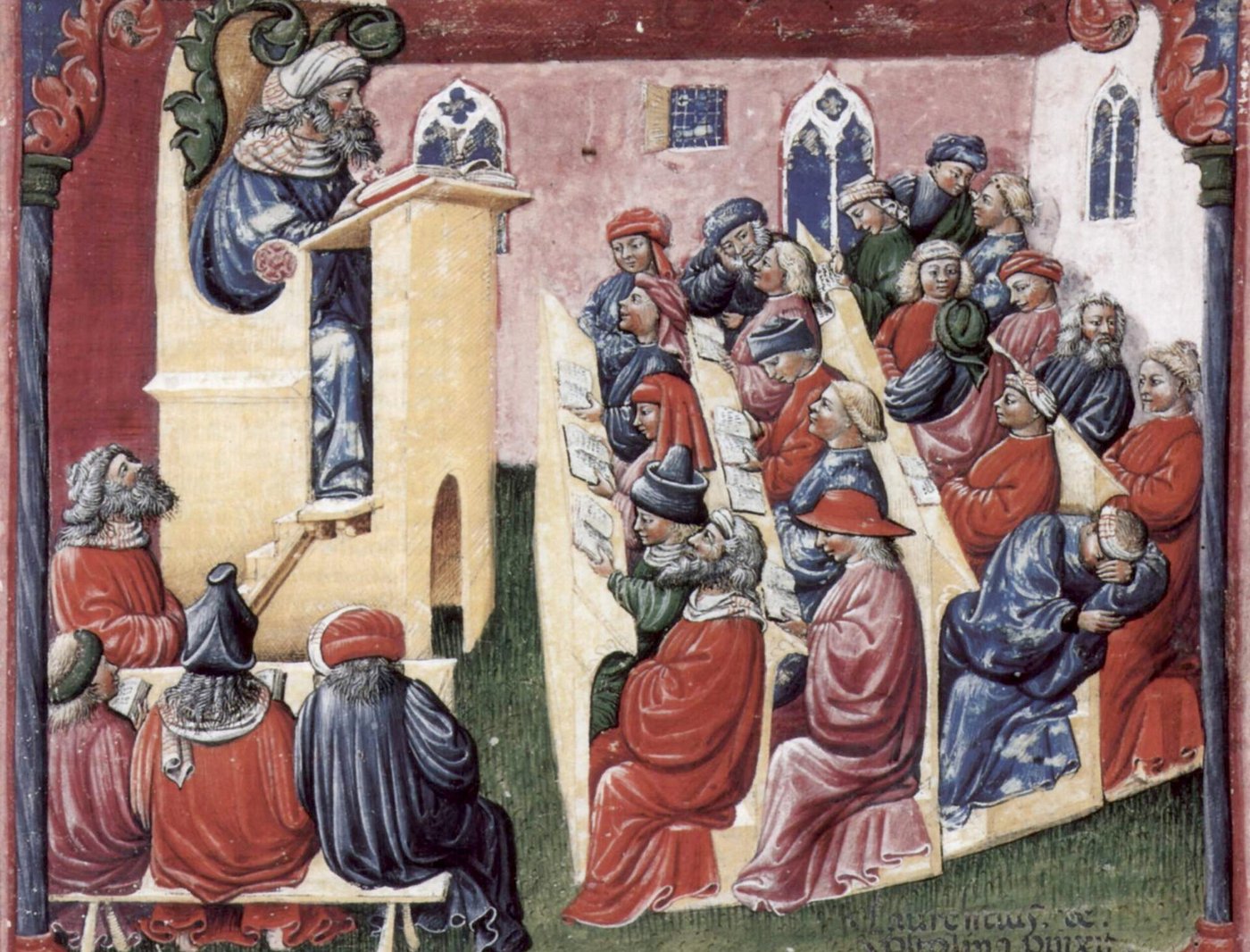
Four ways of studying and four ways of avoiding it: the sanguine talks and calls it understanding, the choleric skips the foundation, the melancholic reads one more thing, the phlegmatic never tests himself.
A man I know keeps a photograph of his study wall from the winter he was preparing for an exam. There are forty index cards on it, colour coded, arranged in a grid, with string between the related ones. He failed. He had spent nine weeks building the wall and about four hours answering practice questions. The wall was beautiful. He had mistaken making the wall for learning the material, and he had done it so sincerely that nobody, including him, noticed until the results came.
Everyone does a version of this. The interesting part is that the version tends to be consistent. The same person fools himself the same way at thirty that he did at nineteen, with better vocabulary. If you have read what the four temperaments are, you already have the frame: four dispositions, described since antiquity, that show up in how a person moves through the world. Studying is a small, well lit corner of that world, and the disposition shows up there clearly.
One thing first, because it matters. This is not learning styles theory. The claim that you are a "visual learner" who should be taught with pictures, or an "auditory learner" who needs to hear things, has been tested repeatedly and it does not hold up. Matching instruction to a supposed style does not improve results. What follows is not about a preferred input channel. It is about what you enjoy, what you avoid, and what you count as work when nobody is checking.
The sanguine mistakes the conversation for the understanding
The sanguine studies out loud. He explains the thing to a friend, argues with someone in the kitchen, joins the group, and comes away lit up. The explanation felt fluent. It was fluent, because he was working from the friend's questions and his own charm, and both were doing half the lifting.
Then he sits down alone with a blank page and finds the room is empty.
The tactic is not to stop talking. It is to make the talking cost something. Explain the material to someone who will interrupt with "why". Record yourself explaining it and listen back the next day, when the warmth has worn off and only the sentences are left. Best of all, write the explanation down before you deliver it. The page does not laugh at your jokes, and that is the whole point. A sanguine who tests himself in private has removed the only thing standing between him and a genuinely quick mind.
The choleric wants the point in the first minute
The choleric reads the first paragraph, sees where it is going, and skips forward. Usually she is right. That is the trap. She is right often enough that she never learns that she is building on a foundation she never poured, and the collapse comes later, on harder material, and it looks like the harder material was the problem.
She also resents drills. Drills are for people who have not understood, and she has understood, so drills are an insult.
The tactic is to reframe the foundation as a weapon rather than a chore. She will not do exercises because they are good for her. She will do them to beat something. Give her a hard problem first, let her fail it honestly, and the missing foundation stops being a formality and becomes the thing standing between her and the win. The same fire that skips the basics will go back and dig them out, if it can see what they are for. This is the pattern described in the four temperaments under stress: under pressure the choleric accelerates, and acceleration is only useful once you know where you are going.
The melancholic reads one more thing
The melancholic is the one with the index card wall. She goes deep, she goes complete, and she will not begin the essay until she has read the last source, and there is always a last source. The reading is real. She knows more than the choleric will ever know. But the standard she is holding is not "good", it is "unassailable", and unassailable arrives at three in the morning on the day it is due, or it does not arrive.
The tactic is a deliberately bad first draft, written early, timed, and shown to no one. Not an outline. An outline is more preparation, and preparation is the drug. It has to be the actual thing, done badly, because only once it exists does the reading become editing rather than delay. Set an hour and stop when the hour stops. The melancholic who can produce something ugly on purpose has beaten the only thing that was ever going to beat her.
The phlegmatic is consistent and never checks
The phlegmatic does the reading. Every evening, at the same time, without drama, for months. He is easily the most reliable of the four and often the most pleasant to teach. And he almost never tests himself, because testing yourself is unpleasant and his whole architecture is built to keep the temperature even.
So the material passes in front of him, familiar and warm, and familiarity feels exactly like knowledge until the moment it is asked to do anything.
The tactic is to build the test into the routine, so it costs no willpower. Close the book at the end of every session and write three things from memory. Not four, not a summary. Three, on paper, without looking. It takes two minutes, it is mildly uncomfortable, and it converts the most consistent habit of the four into the most effective. He does not need more discipline. He has more than the rest of us. He needs the discipline pointed at something that pushes back.
Most people are two of these
Almost nobody is a clean type, which is why temperament blends are worth reading. The common failures are mixed too. The melancholic choleric skips the foundation and then refuses to admit the gap. The sanguine phlegmatic has a wonderful time in the study group and remembers the biscuits.
The habit is not the enemy. The habit is only the shape the avoidance takes, and shapes can be worked with.
None of this is fixed. What temperament gives you is a first guess about which lie you are most likely to believe about your own studying, and a first guess is worth a great deal at eleven at night with an exam in the morning. If you are unsure which pattern is yours, the test is a starting point, but honestly the faster method is to think about the last thing you meant to learn and did not, and ask what you did instead. That answer is usually the whole diagnosis.
Find your temperament
Take the test